Extending True Network Visibility into the Cloud with Profitap Cloud TAP
Modern infrastructure has fundamentally changed how networks operate — but visibility tooling has struggled to keep pace.
As organisations accelerate adoption of cloud platforms, containerised workloads, and Kubernetes architectures, traditional monitoring approaches built for physical networks increasingly fail to provide meaningful operational insight. East-west traffic disappears inside overlays, workloads become ephemeral, and packet visibility — once assumed — becomes fragmented or completely lost.
This is where Profitap Cloud TAP introduces a critical evolution in network observability.
At TDS, we see Cloud TAP as a foundational component in enabling organisations to maintain packet-level truth across hybrid and cloud-native environments.
The Cloud Visibility Problem
In traditional datacentres, visibility was straightforward:
Deploy a physical TAP or SPAN
Forward traffic to monitoring or security tools
Analyse packets for performance or threat detection
Cloud environments break this model.
Key challenges include:
Dynamic container lifecycles
Overlay and virtual networking abstraction
East-west service communication
Limited native packet capture options
Dependency on metrics or sampled telemetry instead of real traffic
While logs and flow data provide indicators, they rarely provide root-cause certainty.
Packet data still remains the ultimate source of operational truth.
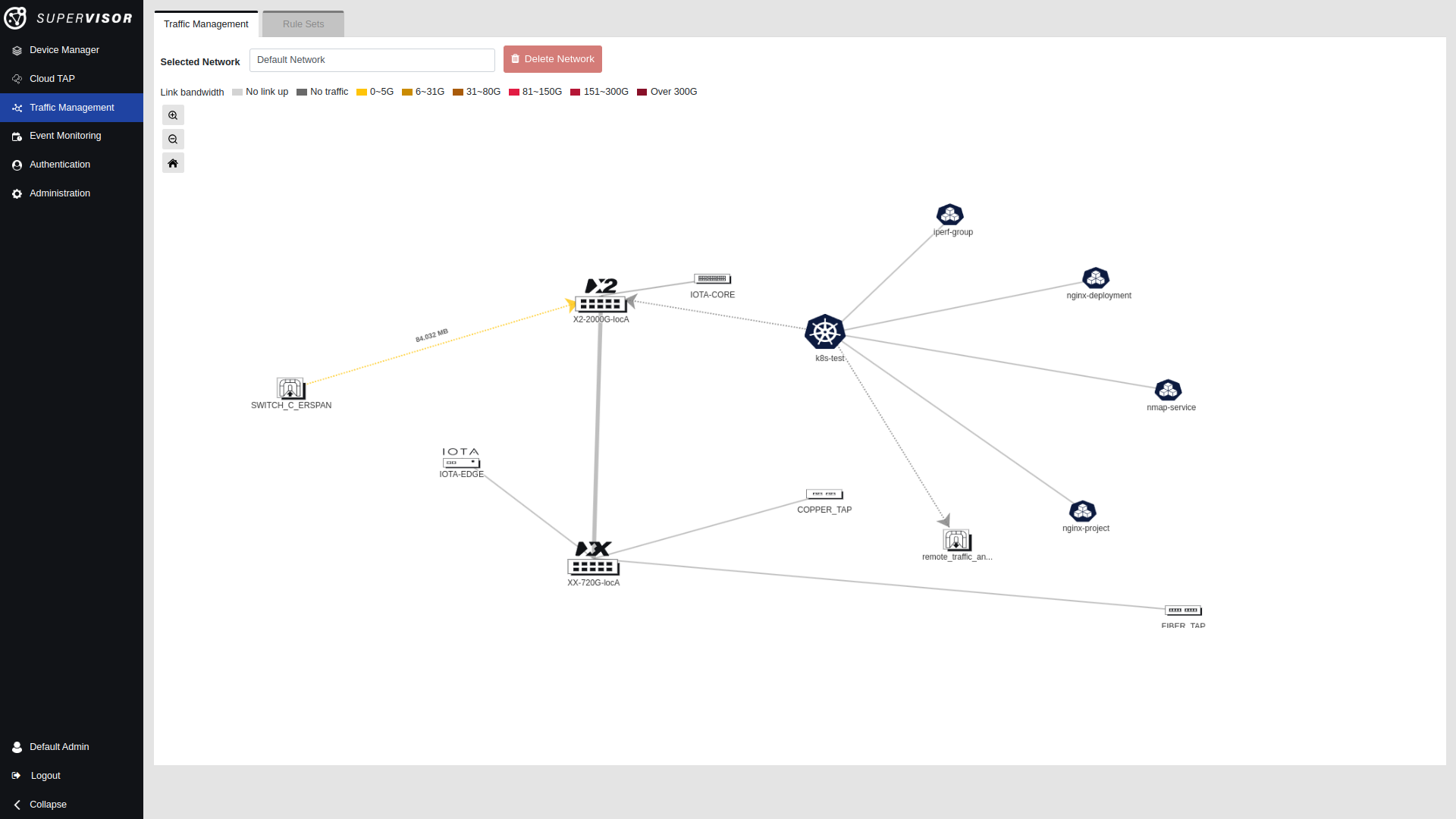
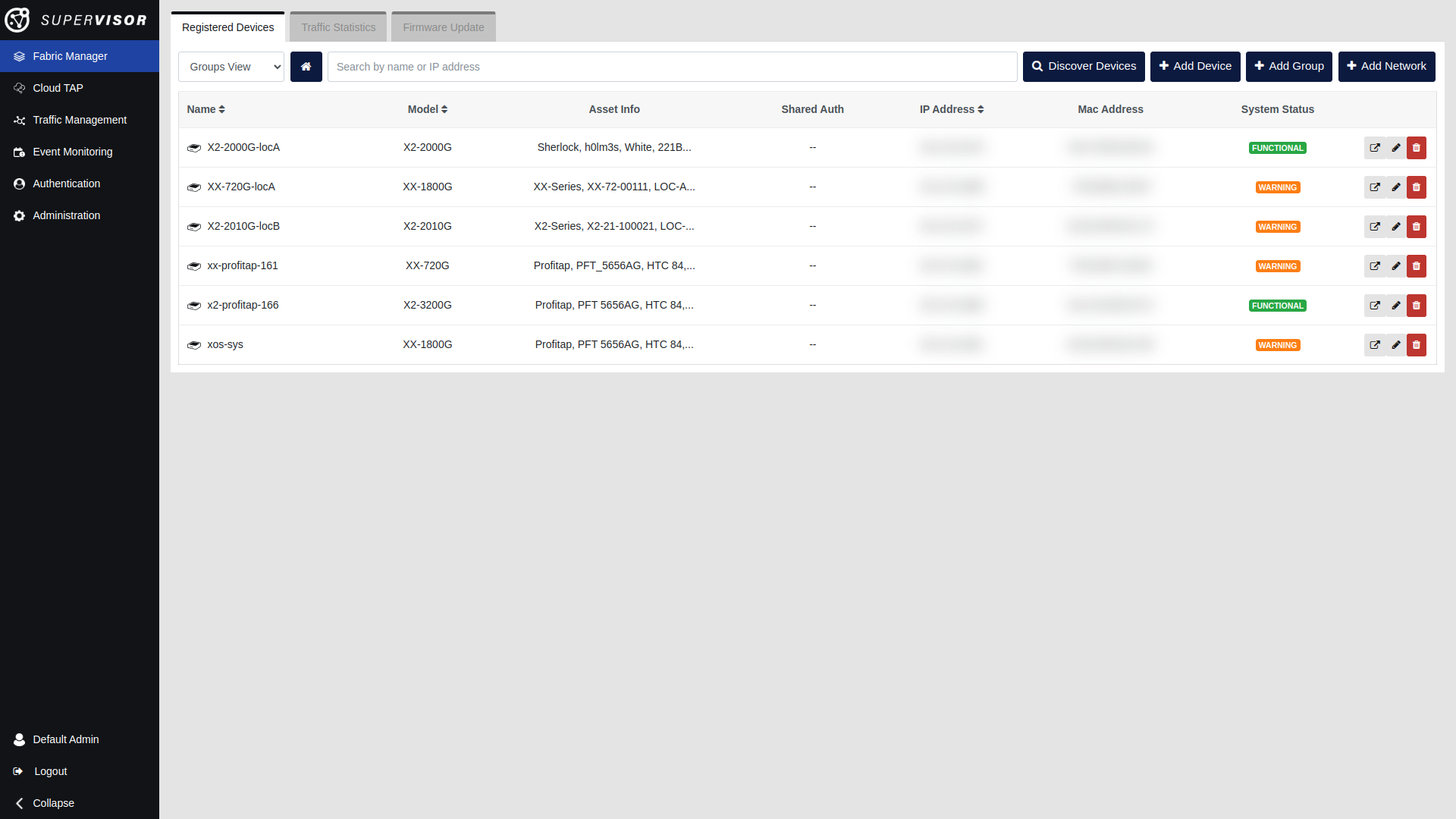
Introducing Cloud-Native Packet Visibility
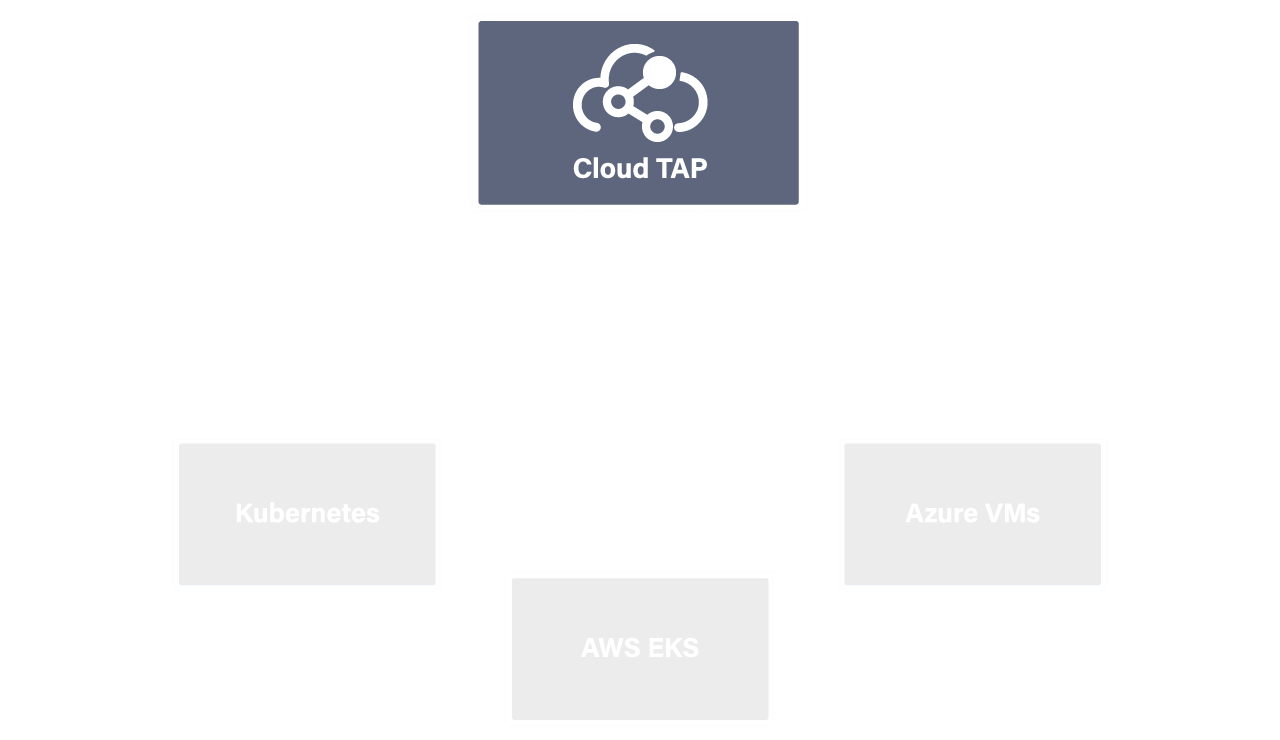
Profitap Cloud TAP extends the proven TAP methodology into virtual and containerised environments using a software-defined traffic access layer.
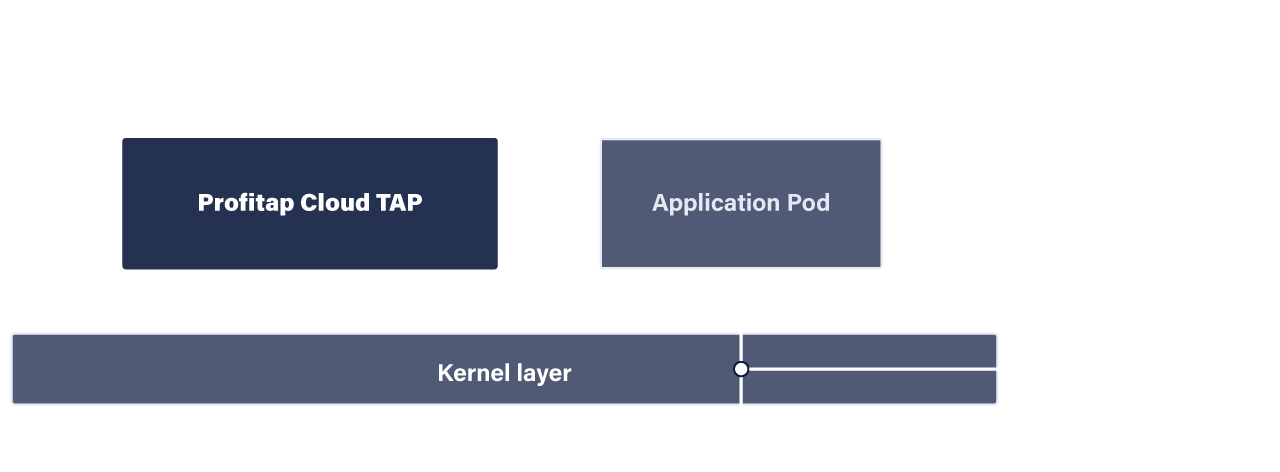
Rather than relying on hypervisor mirroring or application instrumentation, Cloud TAP operates directly at the host kernel level, enabling accurate and non-intrusive traffic replication.
This approach allows organisations to capture:
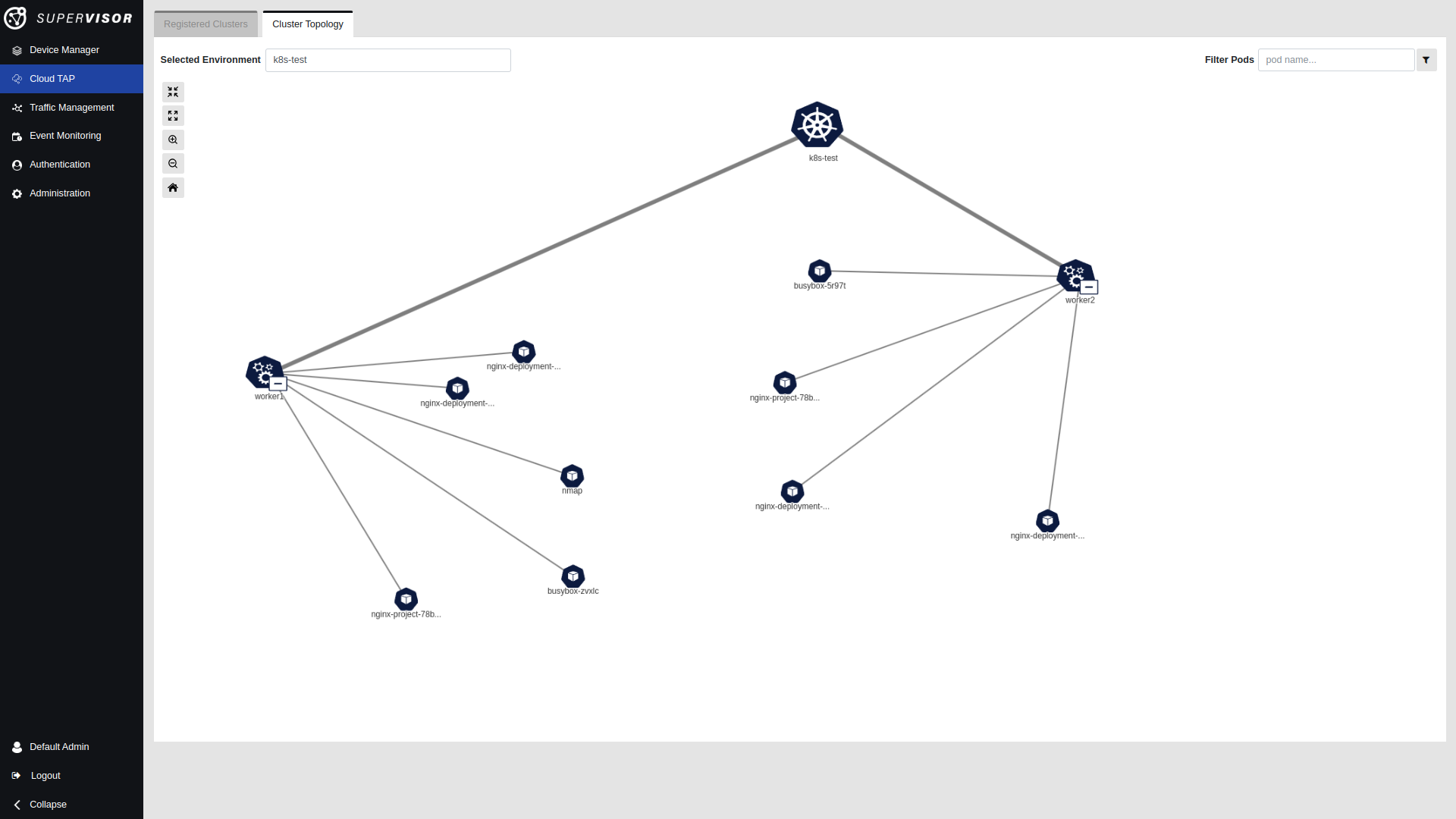
Pod-to-pod Kubernetes communication
Service mesh traffic flows
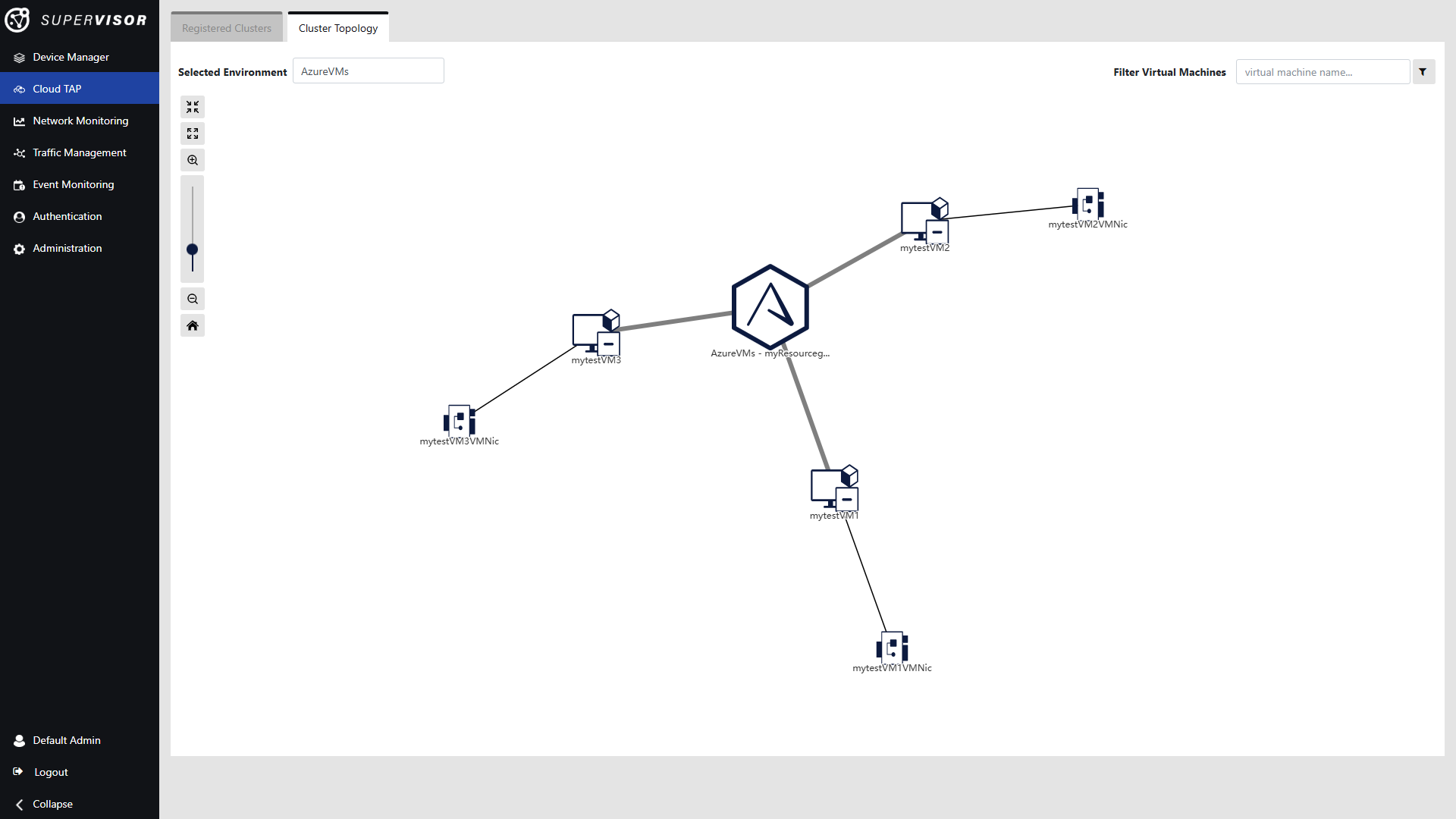
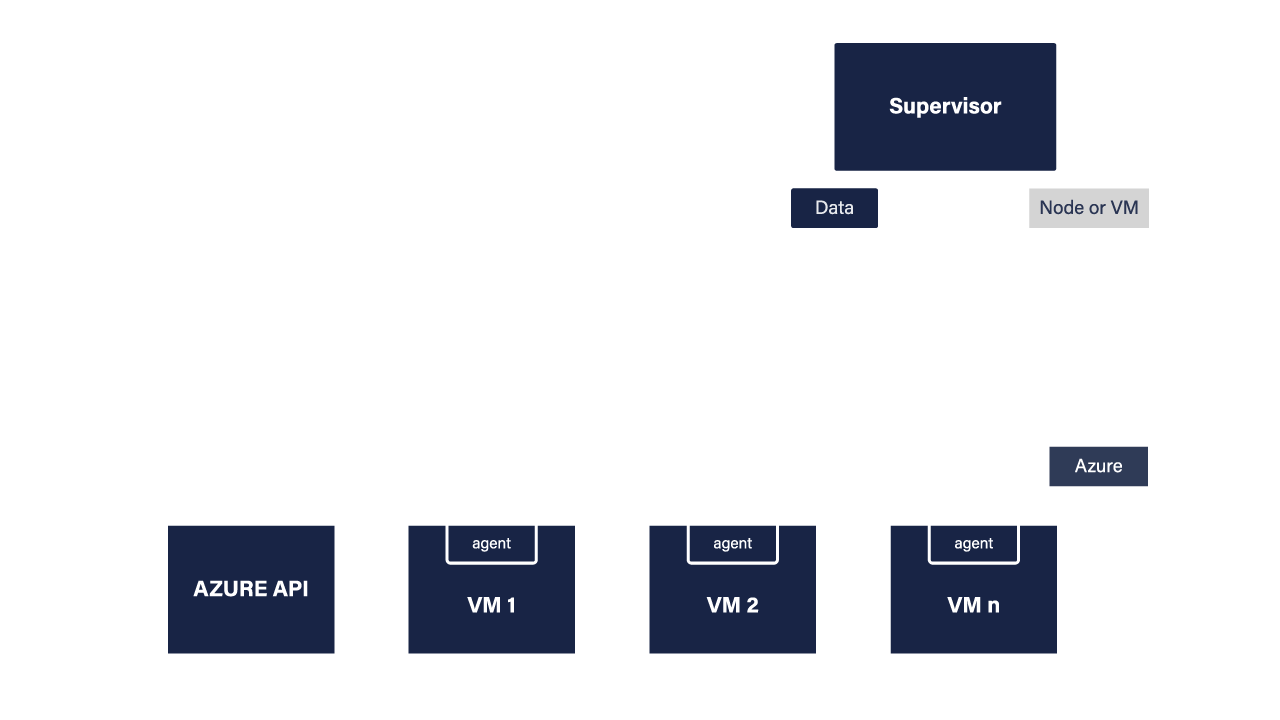
VM east-west communications
North-south ingress and egress traffic
Hybrid cloud workload interactions
Importantly, this occurswithout modifying workloads or application containers.
Kernel-Level Traffic Mirroring — Why It Matters
Most cloud monitoring solutions depend on agents or telemetry export.
Cloud TAP instead mirrors packets at the operating system networking stack, delivering several advantages:
- No application performance impact
- No container image modification
- Full packet fidelity
- Persistent monitoring across workload changes
- Independence from cloud provider limitations
For SRE and NetOps teams, this restores deterministic troubleshooting capabilities previously limited to physical networks.
Kubernetes / AWS EKS Visibility Without Blind Spots
Kubernetes introduces one of the largest operational visibility gaps in modern infrastructure.
Rapid pod creation, overlay networking, and service abstraction often obscure real traffic paths.
Cloud TAP enables visibility at:
Node level
Namespace level
Service level
Individual pod level
Traffic filtering ensures only relevant flows are exported, preventing unnecessary data movement while maintaining analytical precision.
This allows engineering teams to finally answer questions such as:
Where is latency introduced between microservices?
Which services are generating abnormal traffic?
Are encrypted service communications behaving correctly?
Is lateral movement occurring inside the cluster?
Intelligent Traffic Delivery to Existing Tooling
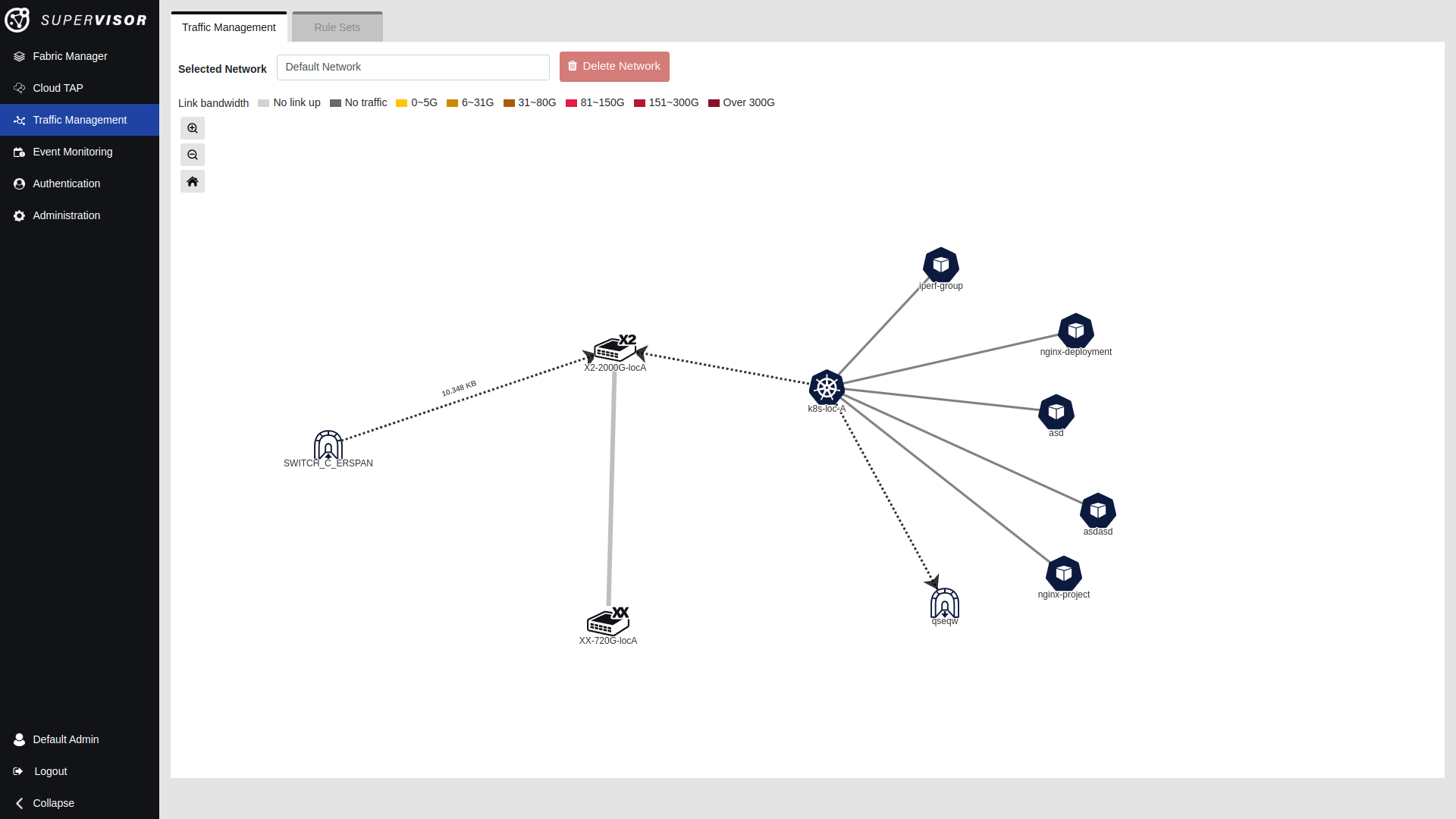
A key advantage of the Profitap ecosystem is that Cloud TAP does not introduce another analytics silo.
Captured traffic can be securely forwarded to:
Network Performance Monitoring platforms
Security analytics tools
NDR and IDS systems
Packet brokers
Forensic analysis platforms
Cloud TAP effectively becomes the traffic acquisition layer feeding an organisation’s broader observability and security architecture.
Hybrid Observability: Physical + Virtual + Cloud
Most enterprises now operate across:
On-prem datacentres
Private cloud
Public cloud
Container platforms
Edge environments
Profitap Cloud TAP allows organisations to extend the same visibility model already trusted in physical networks into cloud environments — creating a unified observability fabric.
Discover hidden application dependencies
Analyse real packet behaviour
Secure east-west communications
Evolve monitoring alongside cloud adoption
Operational Outcomes for Engineering Teams
Deployments of Cloud TAP typically deliver measurable operational improvements including:
Faster MTTR during cloud incidents
Reduced dependency on application teams for diagnostics
Improved detection of lateral threats
Accurate performance baselining
Greater confidence in migration and transformation projects
In short: engineers regain visibility equivalent to physical TAP deployments — now applied to cloud infrastructure.
Why Packet Visibility Still Matters
Despite advances in observability platforms, metrics and logs alone cannot always explain why an issue occurs.
Packets remain the only source that shows:
Actual application behaviour
Protocol correctness
Timing accuracy
Security anomalies
Real user experience impact
Profitap Cloud TAP ensures that moving to cloud architectures does not require sacrificing this level of operational certainty.
The TDS Perspective
At TDS, we view Cloud TAP as a natural extension of modern network observability strategies.
As organisations modernise infrastructure, visibility must evolve from hardware-centric tapping toward software-defined traffic access across hybrid environments.
Profitap Cloud TAP enables enterprises to adopt cloud-native architectures while maintaining the engineering discipline, performance assurance, and security visibility demanded by mission-critical environments.
Read more about Profitap on the TDS Website